Museu Nacional Soares dos Reis
Porto, 2025
Equipa
João Paupério
Maria Rebelo
Rita Araújo
Pedro Dionísio
Elias Schmitz
Graphic design
Nonverbal Club
Photography
Francisco Ascensão
Museu Nacional Soares dos Reis
Porto, 2025
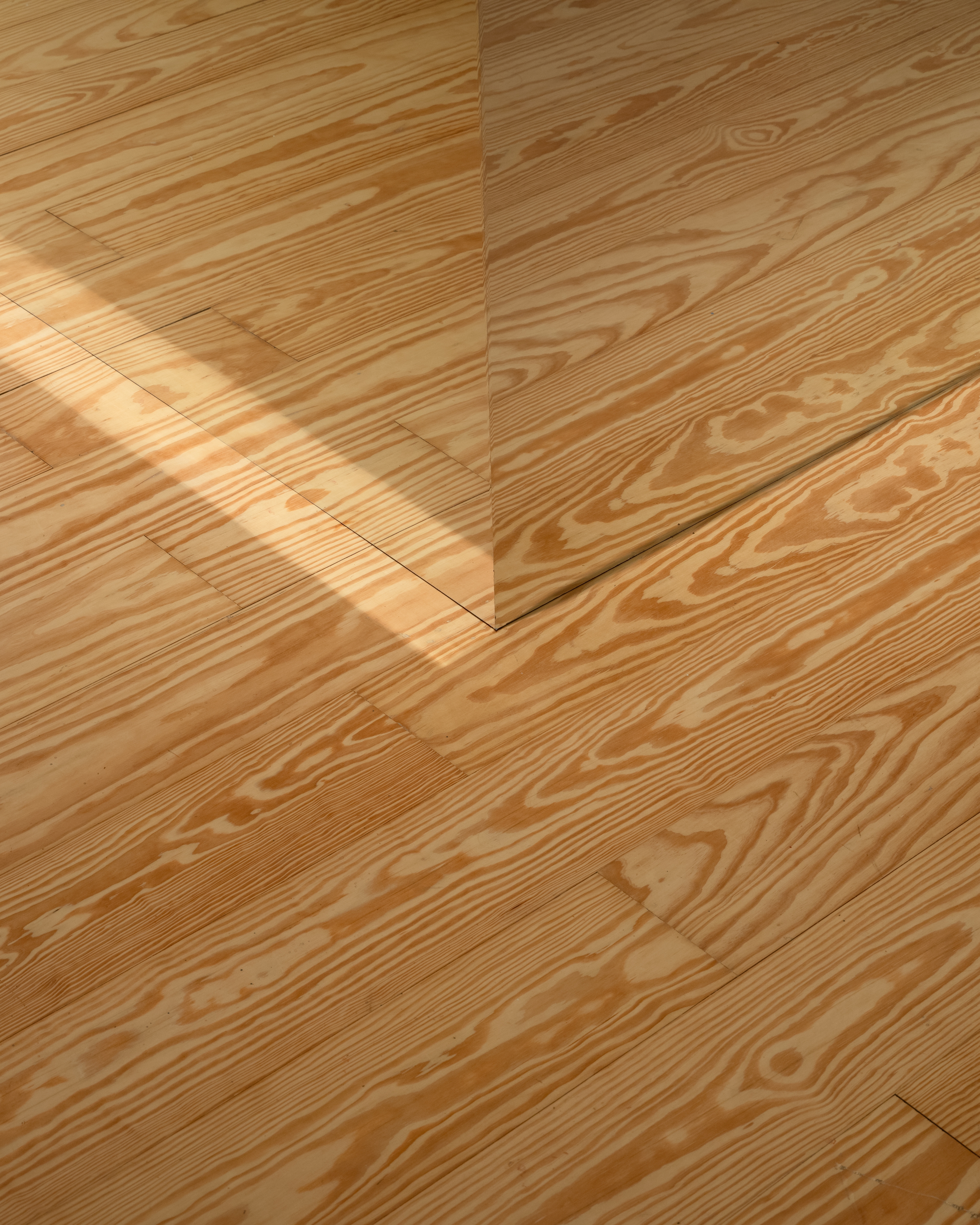
The set design for this exhibition starts from a simple premise: the reuse of what already exists.
In co-authorship with Nonverbal Club, Rita Araújo, and Pedro Dionísio.
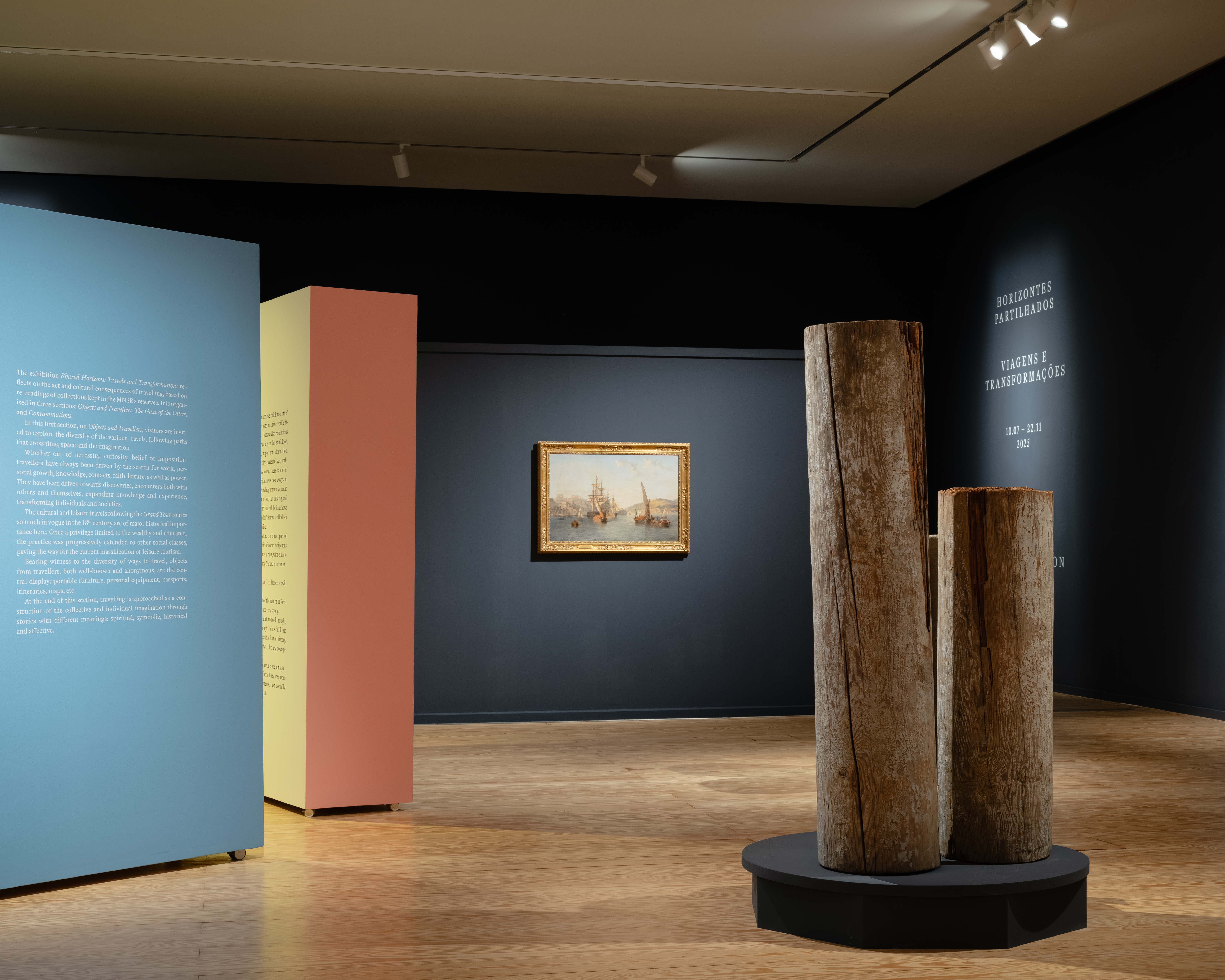
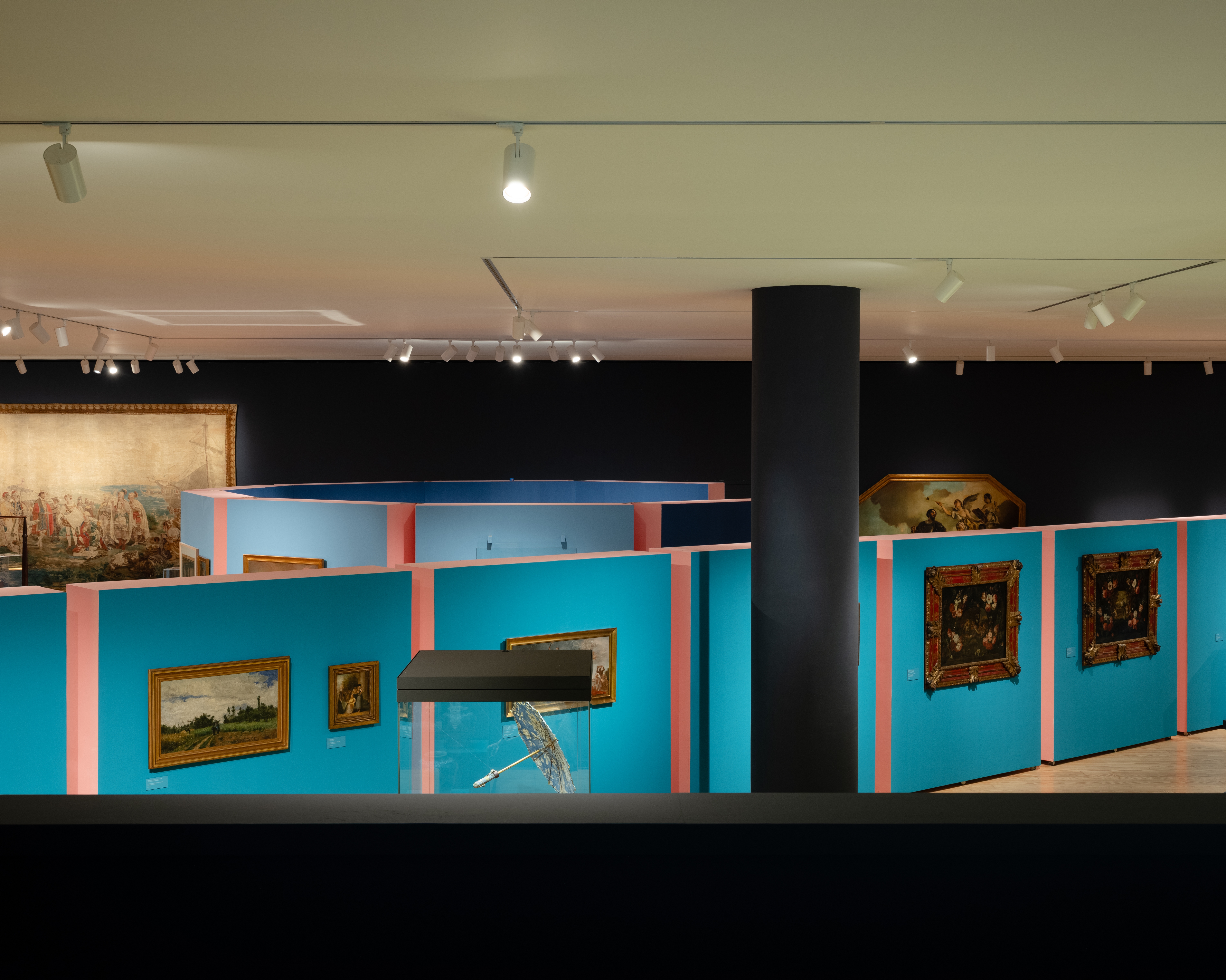
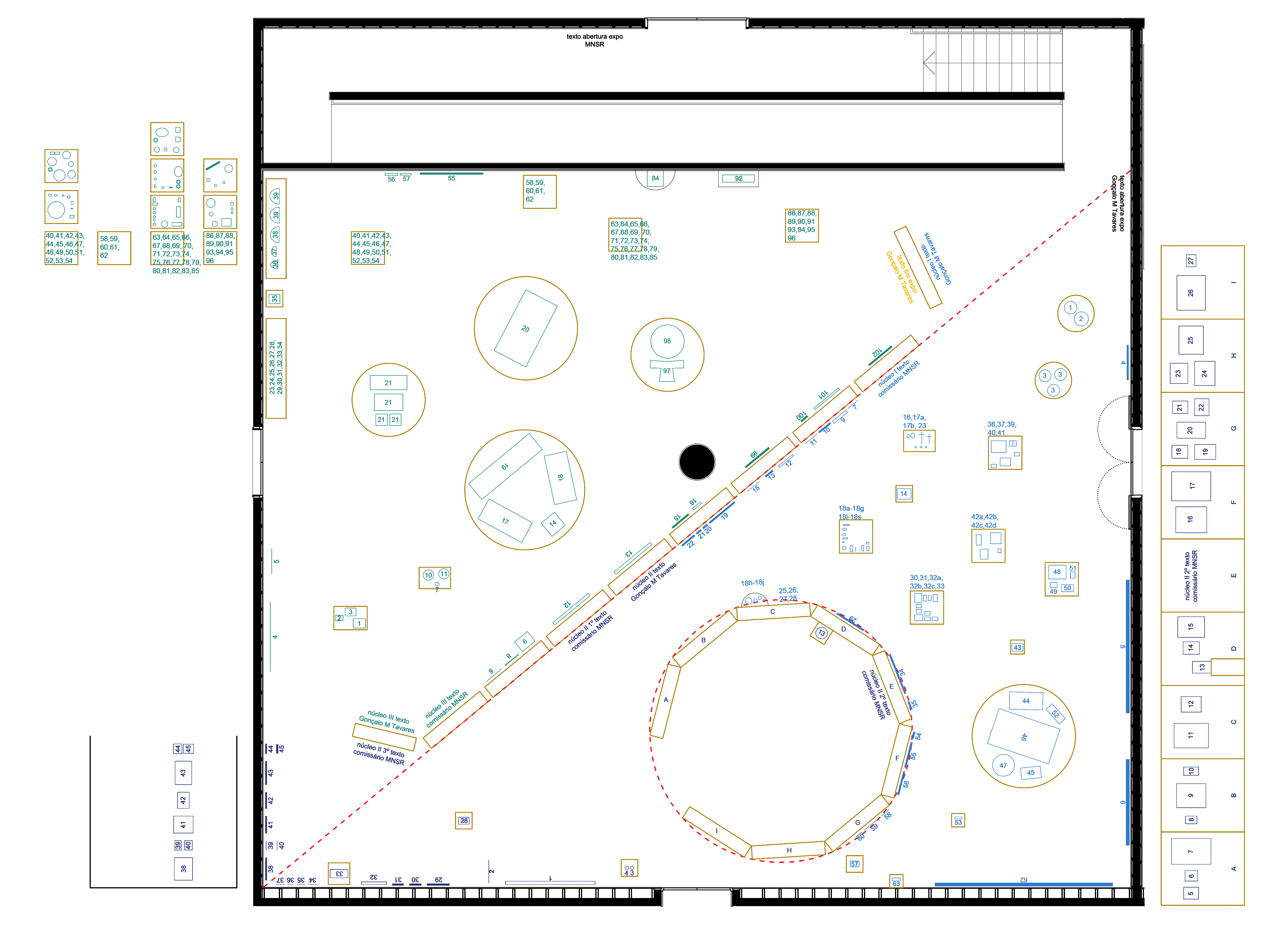
The design for this temporary exhibition at the Soares dos Reis National Museum in Porto starts from a simple premise: the reuse of exhibition materials specifically conceived for this museum gallery - two hundred artworks for eleven display cases, eight plinths, and nineteen movable walls.
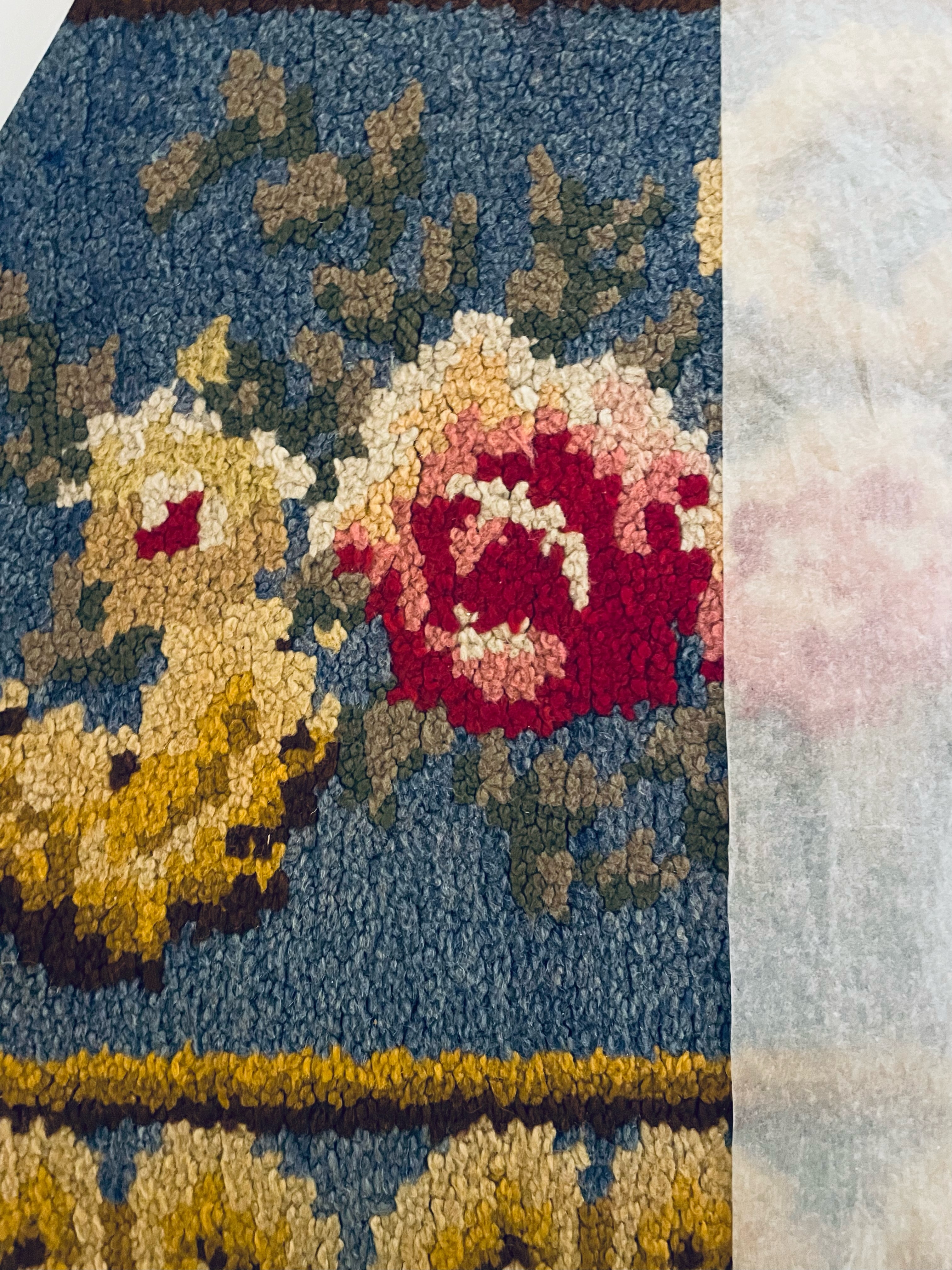
The exhibition was organized around these elements, which defined three distinct zones within the space. To make this distinction clearer, a color was assigned to each zone. The first layer of the floor plan resulted from the arrangement of the movable walls, positioned to form a diagonal - which divided the gallery into two sections - and a decagon, thereby establishing the formal basis for the exhibition layout. The colors chosen for the set design took as their starting point a tapestry that was in the temporary exhibition gallery during our first visit, from which we identified the colors we wanted to use.
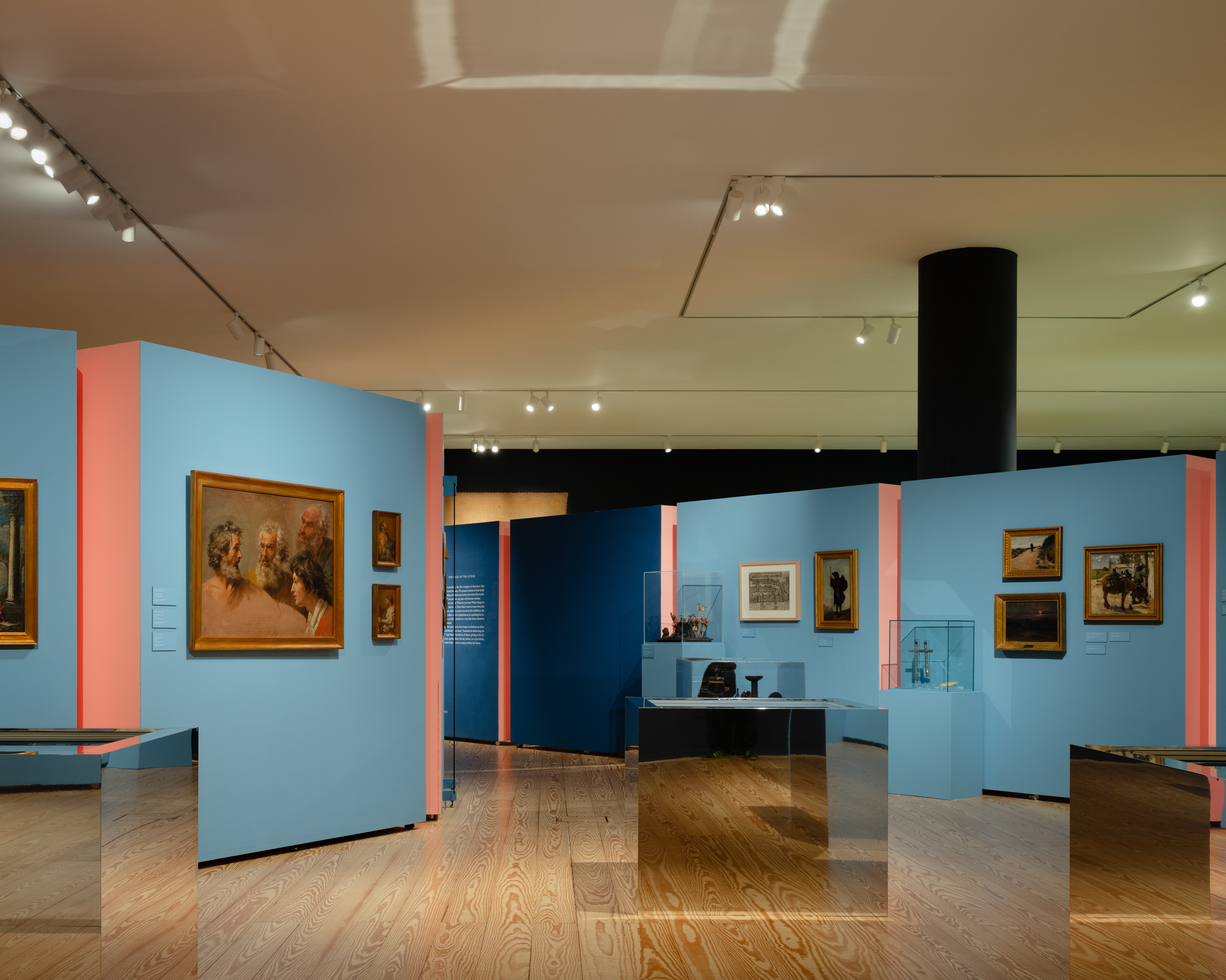
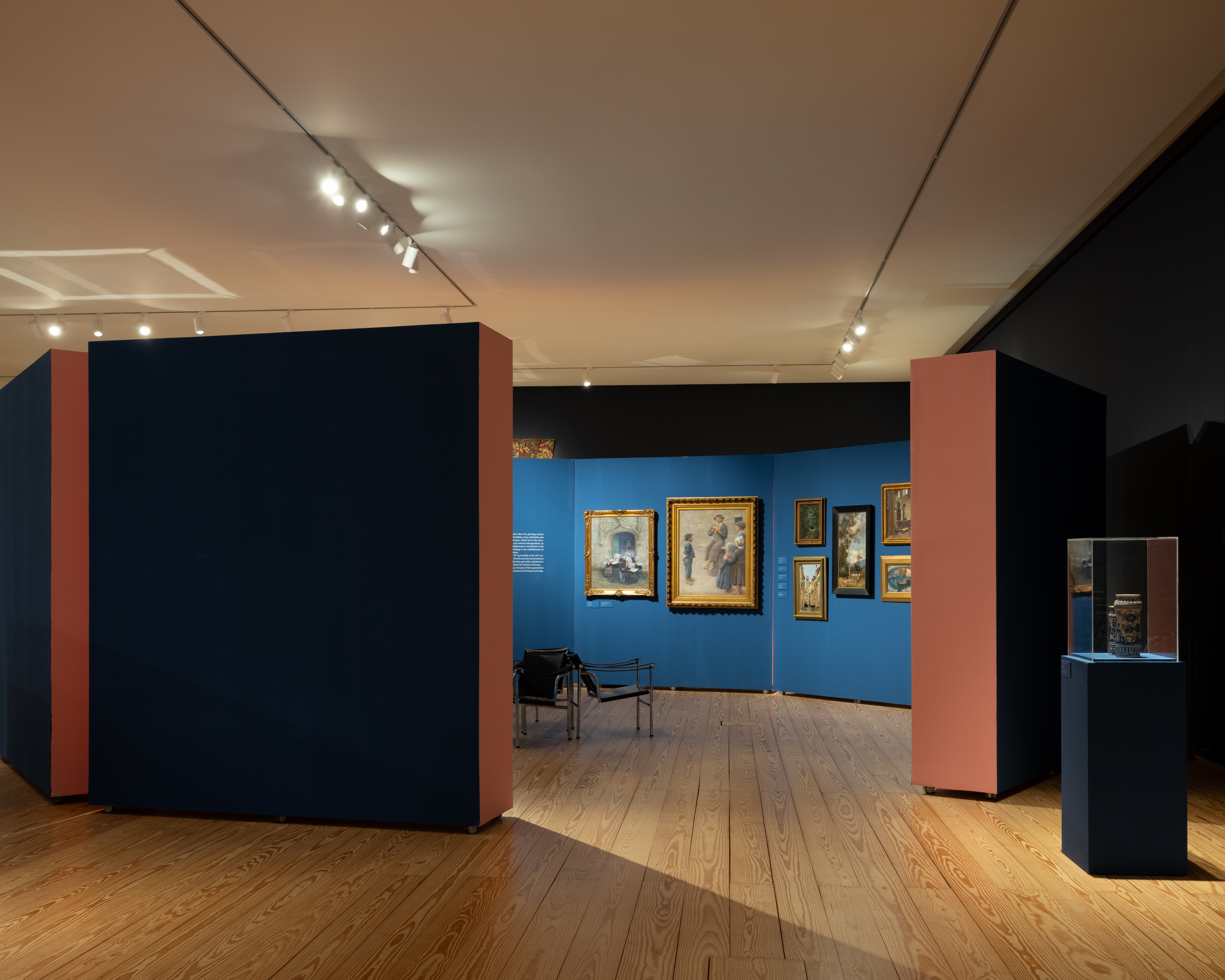
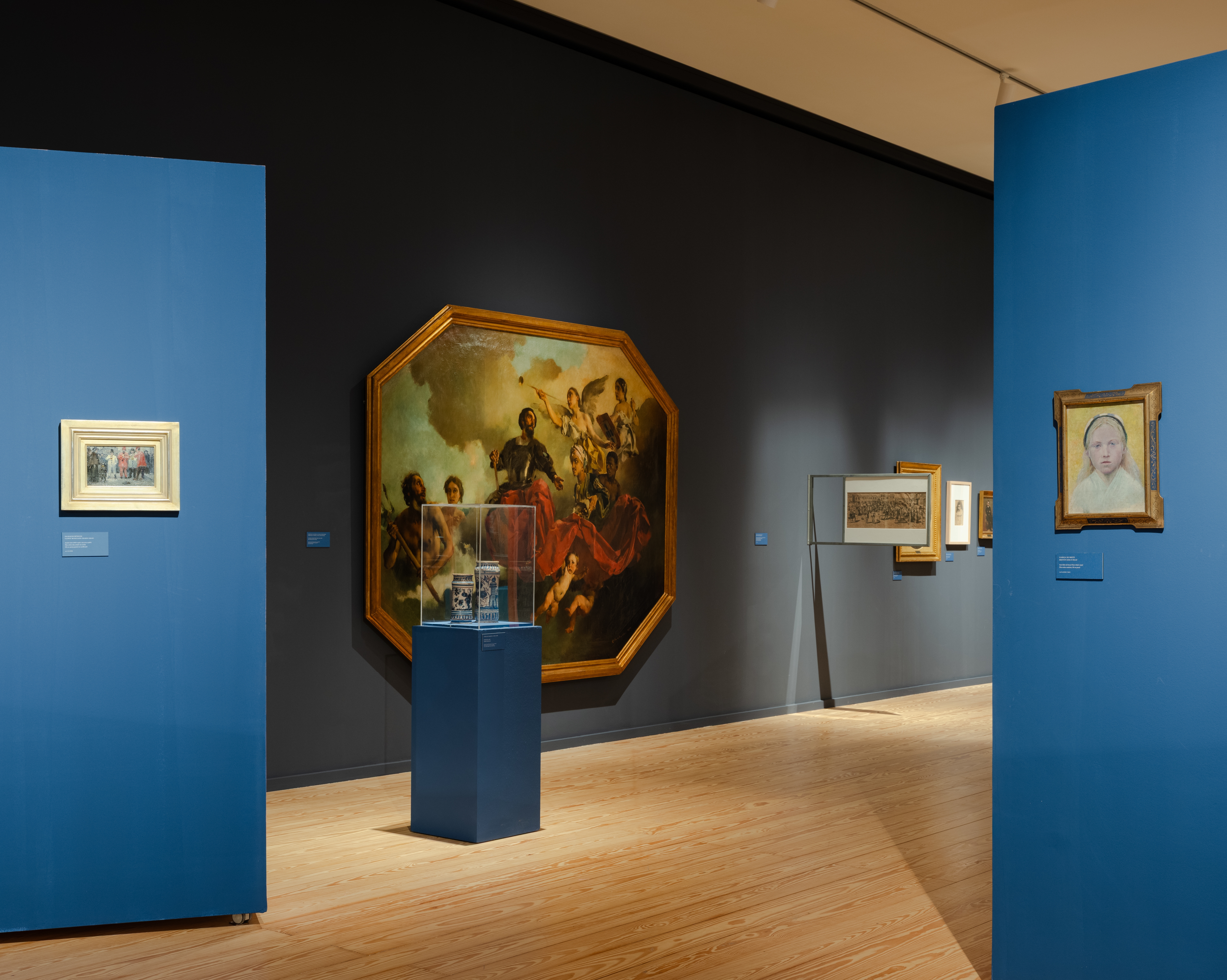
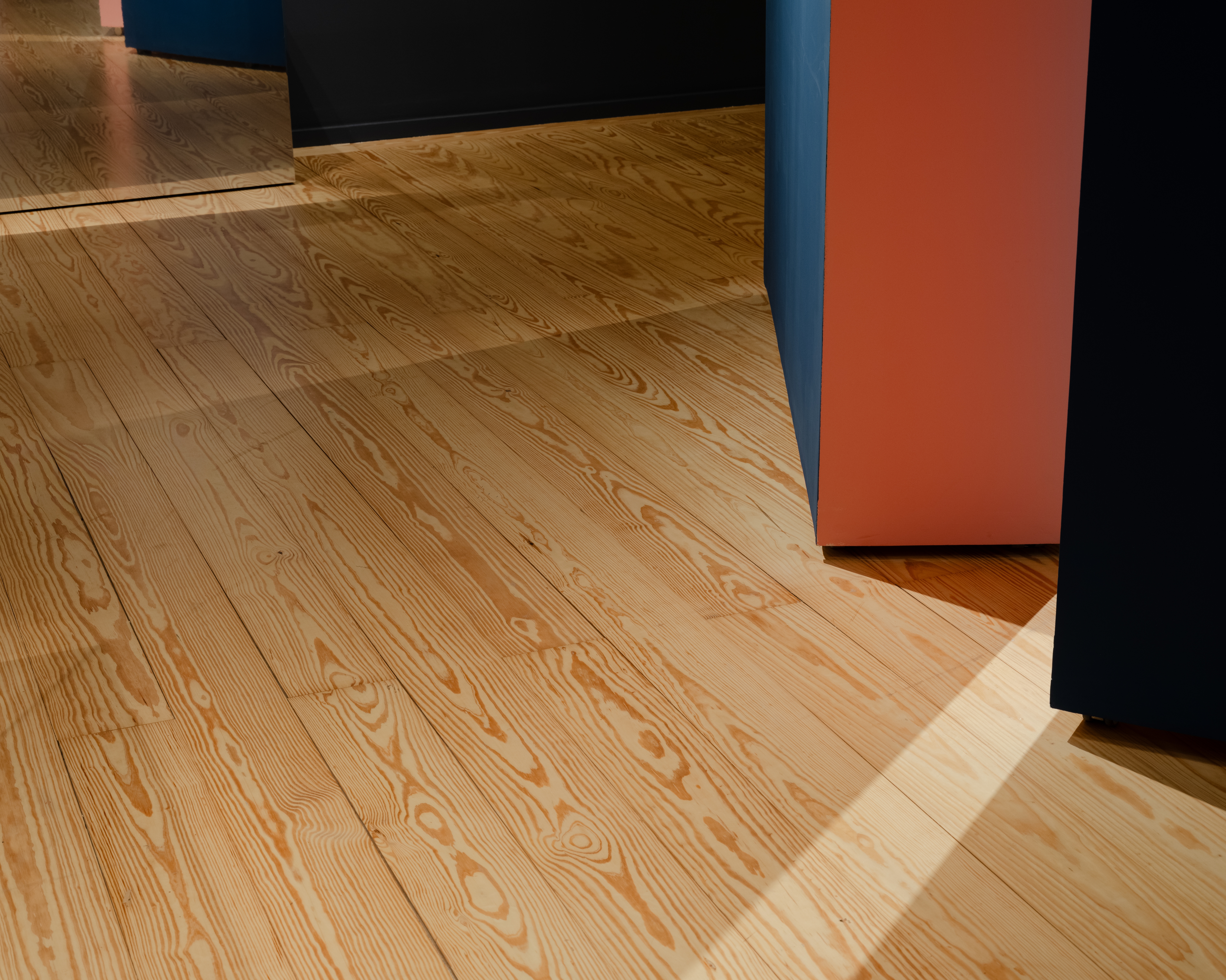
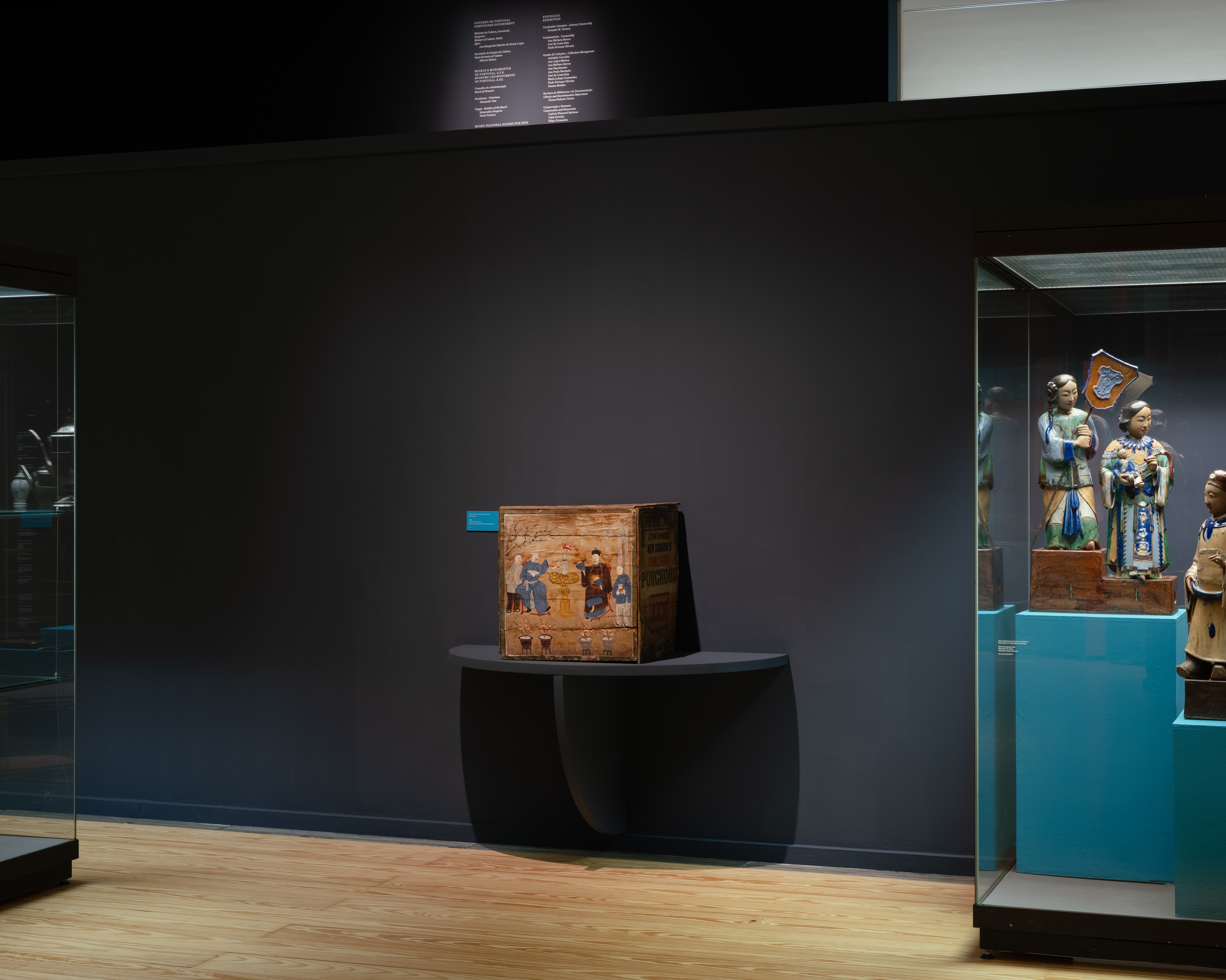
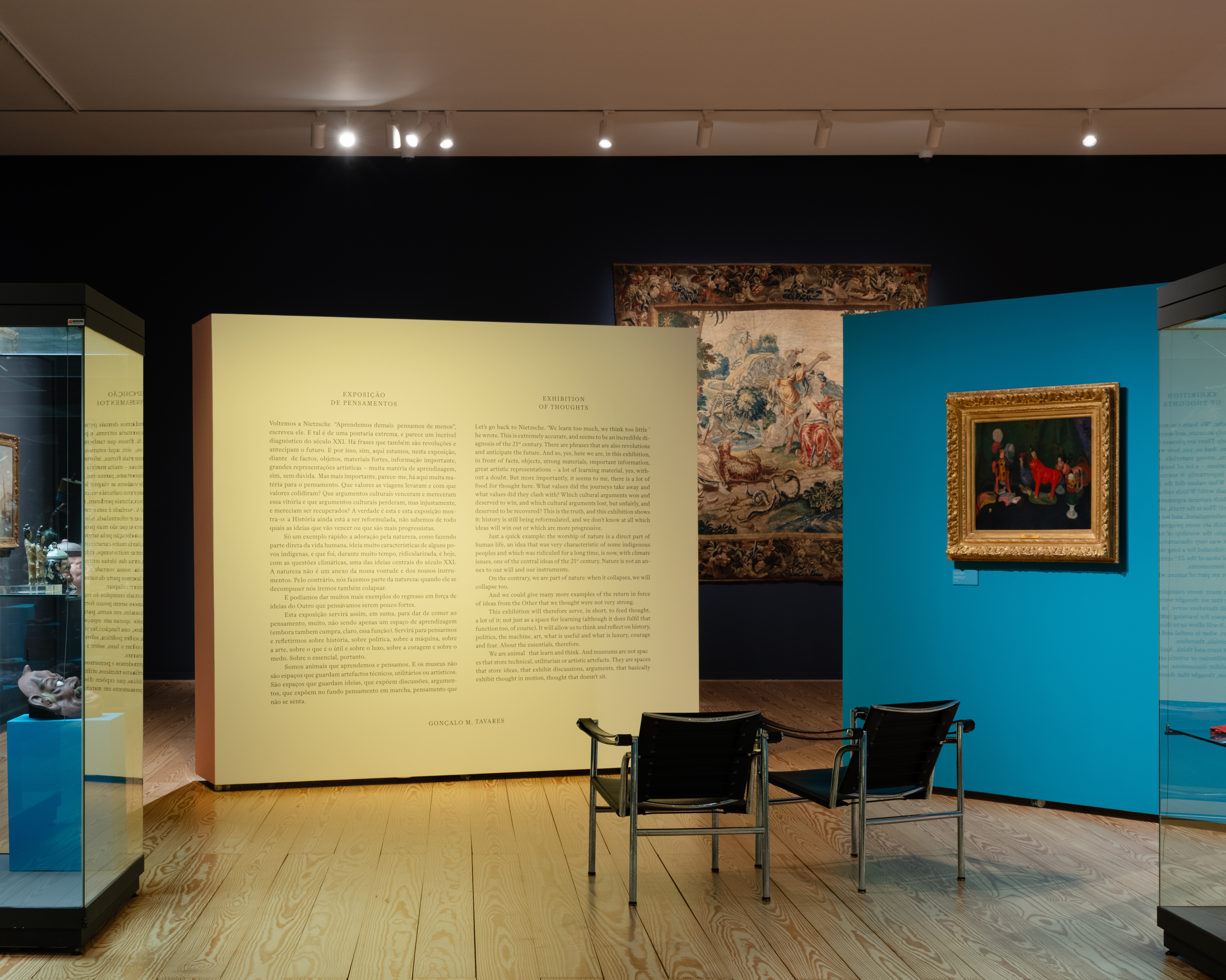
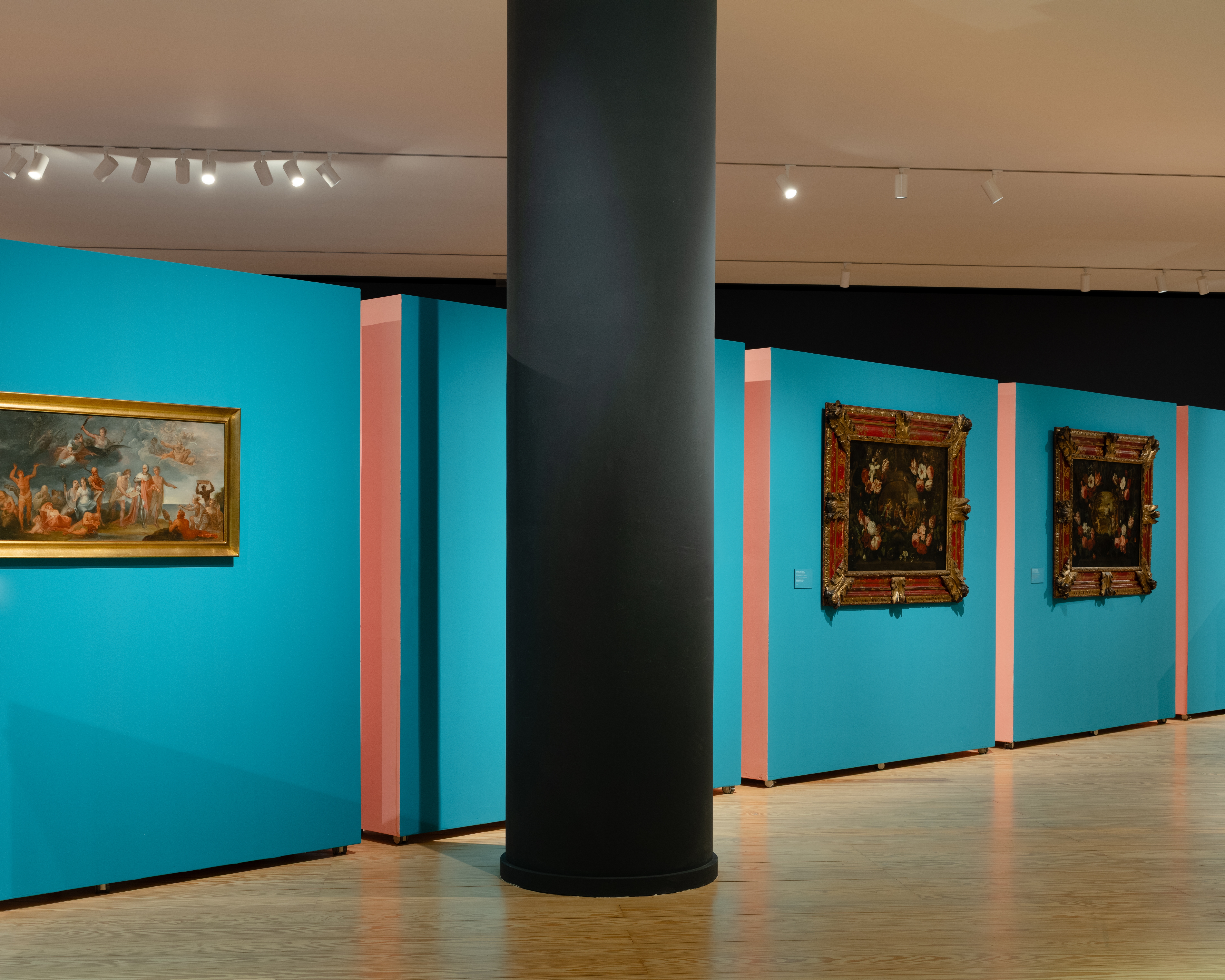
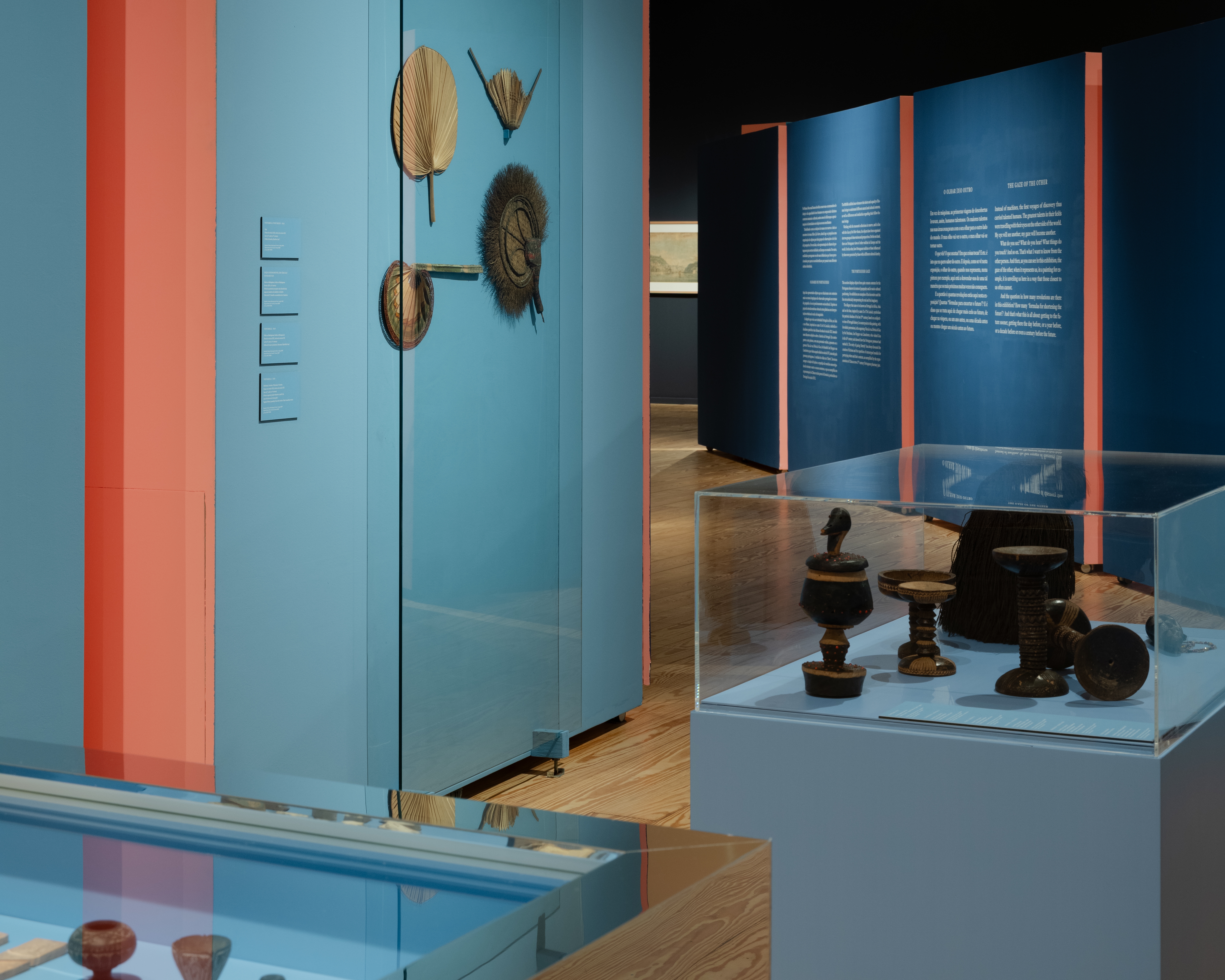
Using as a foundation the set of exhibition materials designed by Fernando Távora, we were given the opportunity to explore the museum’s exhibition materials reserve: glass panels, metal fittings, additional plinths, display domes, designer chairs, and marble pieces. A certain ecology imposed by budget and production time constraints. In fact, these elements enriched the collection of objects integrated into the exhibition, temporarily bringing to light exhibition components that, after a few months on display, would also return to the reserve.
Both the reuse of existing elements and the way the colors were chosen demonstrate that the “as found” spirit - to quote Alison and Peter Smithson - manifests itself not only in its most direct expression (using raw materials as they are) but also in an attitude toward the project itself: that of making use of what already exists and embracing chance as part of the architecture.